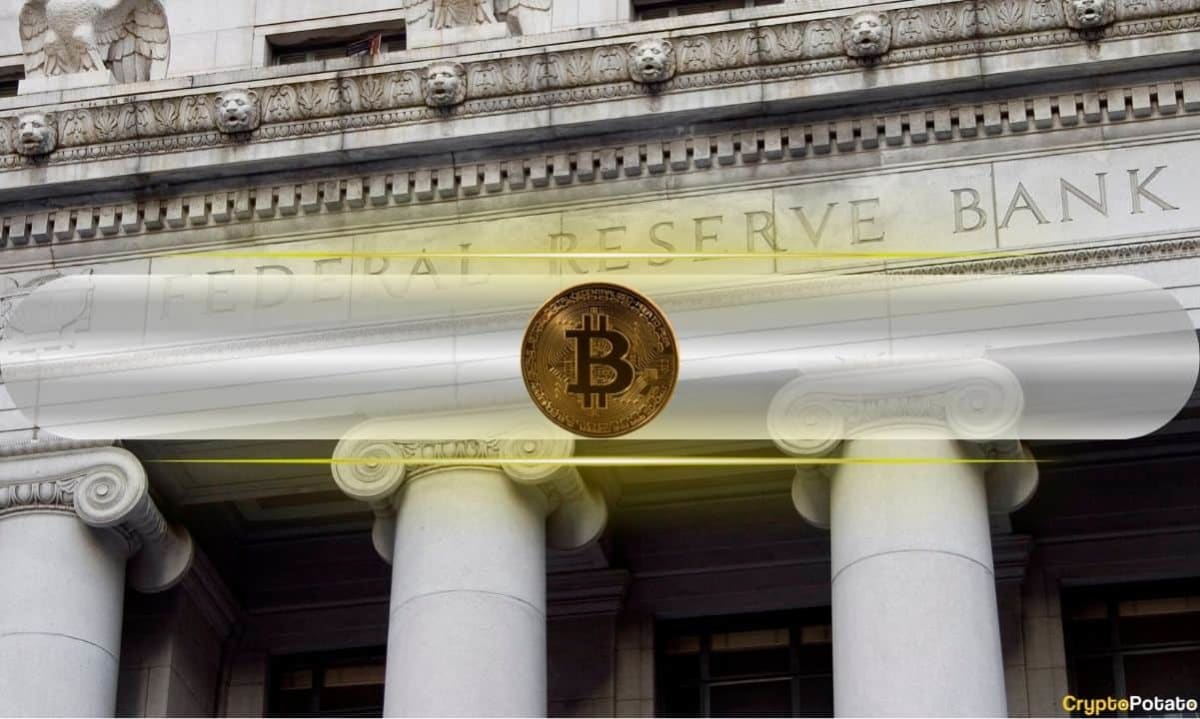
The United States Federal Reserve's decision to maintain key interest rates at 3.50%-3.75% has significant implications for the cryptocurrency market, particularly Bitcoin. This move, which was largely anticipated by experts, marks the third consecutive meeting in 2026 where interest rates have remained unchanged. Historical trends suggest that Bitcoin tends to underperform in the immediate aftermath of Federal Open Market Committee (FOMC) meetings, and today's decision has already sparked a decline in the cryptocurrency's value.
The Fed's decision was influenced by rising costs, especially those impacted by the ongoing conflict in Iran, which has led to increased uncertainty and substantial inflation in the energy sector. As reported earlier, March's inflation levels showed a notable increase over February, primarily driven by the energy sector's volatility. Analysts had warned that Bitcoin's price might dip in the first few trading days following the FOMC meeting, given the consistent pattern of decline since July last year. Indeed, Bitcoin's price slipped below $75,000 shortly after the announcement, with most altcoins following suit.
Market Implications and Future Outlook
The total liquidations in the cryptocurrency market have skyrocketed, exceeding $500 million on a daily scale, with a significant portion of these liquidations occurring in the last hour alone. This sudden downturn has led to concerns about Bitcoin's short-term stability and its potential impact on the broader cryptocurrency market. As investors and analysts continue to assess the implications of the Fed's decision, it remains to be seen whether Bitcoin will continue its downward trend or rebound in the coming days. The intersection of geopolitical events, economic indicators, and cryptocurrency market dynamics will likely play a crucial role in shaping the future of Bitcoin and the overall cryptocurrency landscape.
In the context of the current market environment, the Federal Reserve's decision serves as a reminder of the complex interplay between traditional financial systems and the emerging cryptocurrency sector. As regulatory bodies and investors navigate this evolving landscape, the need for a deeper understanding of the factors influencing cryptocurrency prices and market trends has never been more pressing. The forthcoming days and weeks will provide valuable insights into the resilience and adaptability of the cryptocurrency market, particularly in response to significant economic and geopolitical developments.