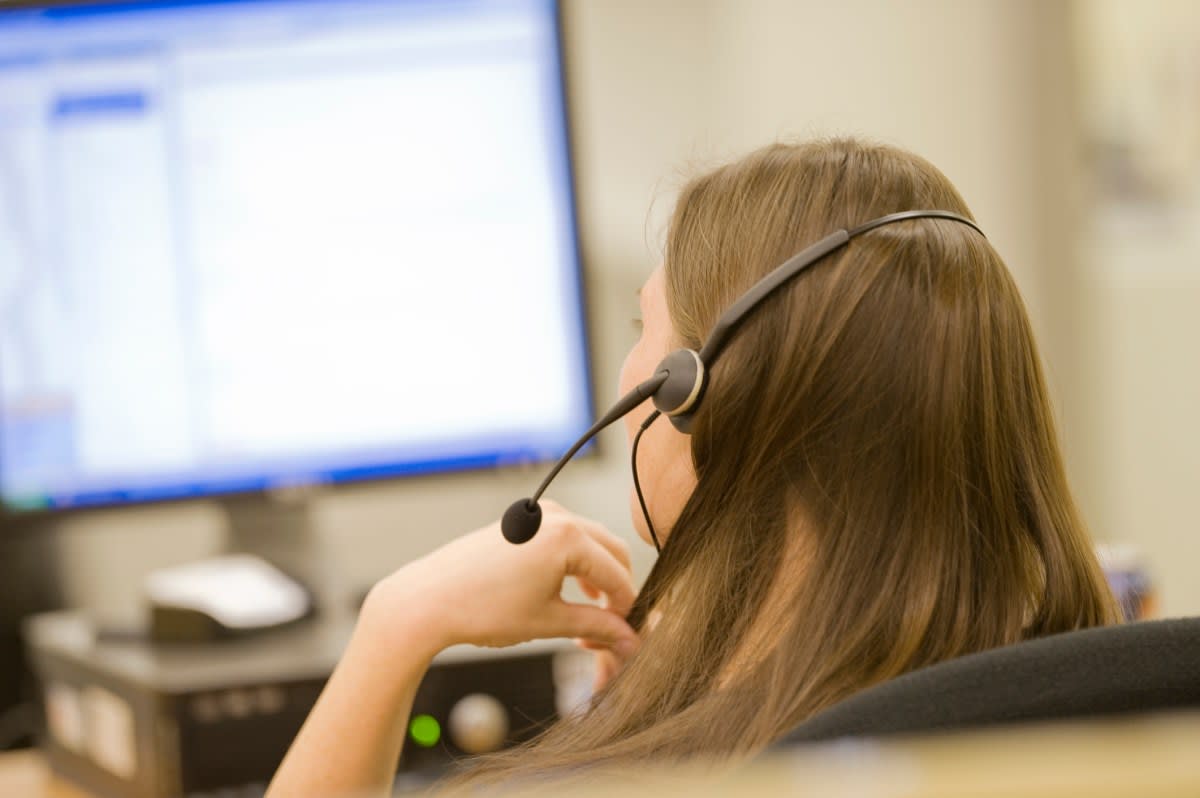
The increasing popularity of dictation apps and voice-activated tools is poised to transform the modern office into a hub of hushed conversations and isolated workspaces. As workers spend more time interacting with their computers through voice commands, the traditional dynamics of office environments are likely to undergo a significant shift. A feature in the Wall Street Journal recently highlighted the growing trend of using dictation apps like Wispr, which can be connected to coding tools, and its potential impact on office etiquette.
According to Edward Kim, co-founder of Gusto, the future office will resemble a sales floor, with employees engaging in quiet, focused conversations with their computers. Kim himself has adopted this approach, admitting that he only types when absolutely necessary. However, he also acknowledged that constantly dictating in the office can be "just a little awkward." This sentiment is echoed by AI entrepreneur Mollie Amkraut Mueller, who has had to adjust her late-night work sessions to accommodate her new habit of whispering to her computer, often sitting apart from her husband to avoid disturbing him.
The Normalization of Voice-Activated Work
Despite the initial awkwardness, Wispr founder Tanay Kothari believes that this new way of working will eventually become the norm. Just as staring at our phones for hours has become an accepted behavior, whispering to our computers will also become an integral part of our daily work routine. As the use of voice-activated tools continues to grow, it will be interesting to see how offices adapt to this shift and what new etiquette rules emerge to govern these whisper-filled workspaces.
Investors and visitors to startup offices are already noticing the change, with one VC comparing the experience to stepping into a high-end call center. As the line between human-computer interaction and human-human interaction becomes increasingly blurred, it will be essential for offices to find ways to balance the benefits of voice-activated technology with the need for collaboration and social interaction among employees. The future of office dynamics is likely to be shaped by this delicate balance, as workers navigate the benefits and challenges of whispering their way through the workday.